THE HISTORY OF A&A
Written by Armin Grigaitis
One of my earliest family camping memories includes visions of my parents packing up our car with three young kids, a 14-foot Peterborough Cedar Strip boat and a reliable 10 HP Johnson outboard motor. I recall how my excitement intensified at the sight of the Canadian Shield just north of Waubaushene. When we crossed over the Moon River bridge on HWY 501/69, my mother, who had an amazing voice, would always sing “Moon River” better than Andy Williams.
Lake Naiscoot and French River were two of our favourite places to camp. Once we arrived, we would launch our heavily laden boat at the local dock and begin our trek. These trips were always magic, and depending on how far the chosen campsite was, three very tired kids would fall asleep in the back of the boat to the music of the 10 HP Johnson. Our campsites didn’t have numbers or amenities beyond shore locations that were level enough to pitch a tent, but we built fires without burning the bush down. We always had enough to eat, living on fish, instant mashed potatoes, canned vegetables and fresh blueberries.
It was an amazing and formative part of my childhood. As an adult, I recognize how fortunate I was to have had these experiences with my resourceful, loving parents who were skilled outdoors people and fierce conservationists. Those early experiences helped to develop my strong appreciation for Georgian Bay and the surrounding area. It set the foundation for my future endeavours in business and settling my family here.
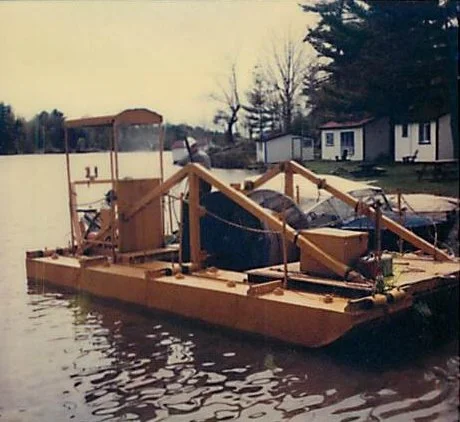
Our family camping trips continued until 1972, when my parents, in collaboration with three close family friends, purchased 106 acres of raw land from the Danforth family with 1,300 feet of prime shoreline in Minnow Bay/North Honey Harbour. The group immediately applied for a severance in hopes of building four cottages. Over the next two years, we spent most weekends and all summer working on the cottage, dock and septic system. With the help of Andy Nogy, one of the property partners, we built a makeshift but efficient pontoon barge by welding together 45-gallon drums. The barge was only eight feet by 20 feet, but we used it to transport all the building materials, one load at a time.
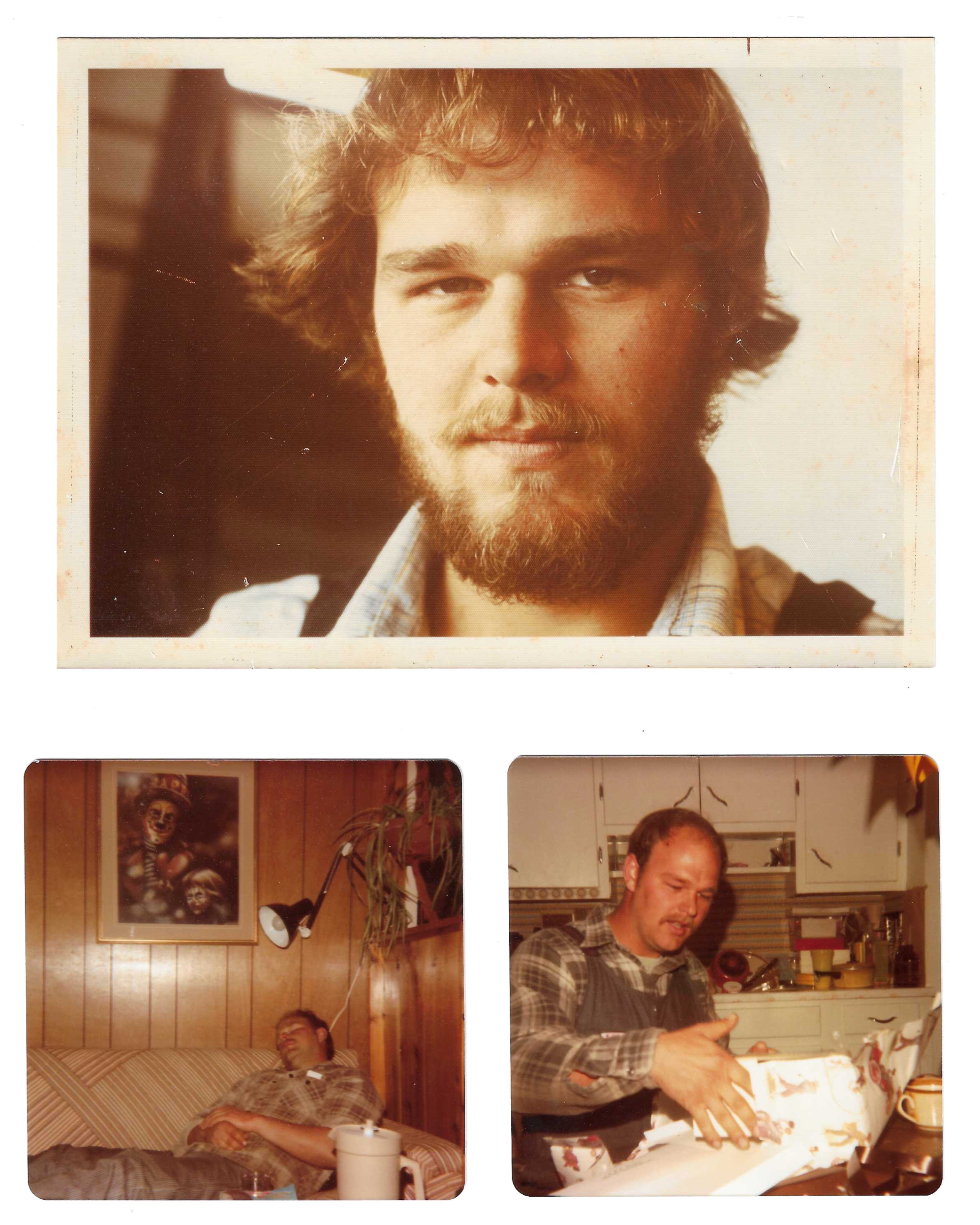
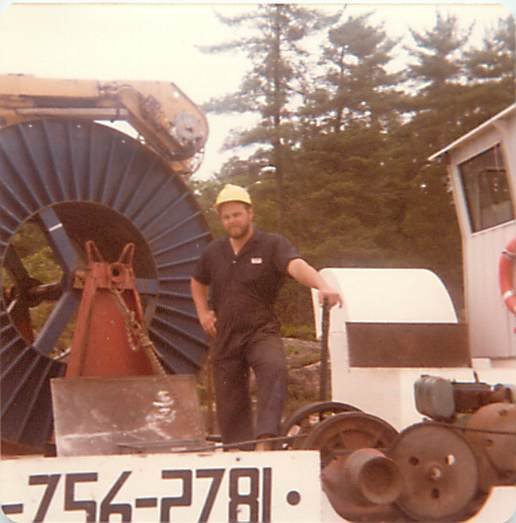
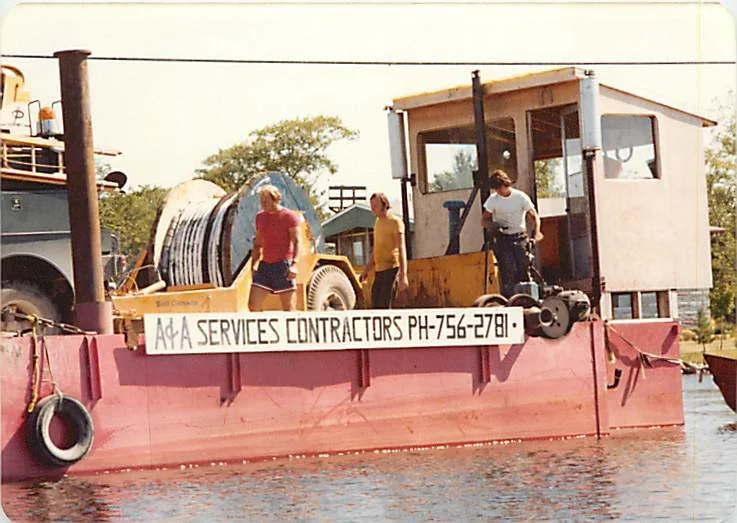
During those two years, Andy and I often mused about starting a construction business. Andy worked for a large metal fabrication company but was charmed by the idea of getting out of the city to work in “North Country.” In 1975, when I was 19 years old, Andy and I formed a simple partnership and began the construction of our first barge that was 20 feet wide, 40 feet long and five feet deep. The removable “engine compartment” housed a Detroit Diesel motor and a Hamilton Jet drive. Luckily, I was mechanically inclined and could remove an old diesel motor from a transport truck. I spent many long hours mounting the motor in the barge and coupling it to the jet drive with a good deal of help from Emery, Peggy and John O’Rourke, the owners of E. O’Rourke Storage and Marina (now known as Nautilus Marina). I worked at the O’Rourke Marina doing boat repair jobs and pumping gas. They were very good to me, allowing me to work on the barge after hours.
By the end of the summer, the engine compartment and barge were ready. The barge was shipped in two sections to Honey Harbour, where it was welded together as one section. Once the barge was launched, we realized that the motor, although in good running condition, was underpowered to propel the barge at a reasonable hull speed.
Day after day, we watched Gerry White’s and Paul Macey's barges pass us by. It taught us how to be patient! On the bright side, our barge was larger than our competitors and had greater carrying capacity. Even though we were slower, we could deliver more material per trip.
Our first base of operations was at the courtesy of Dave’s Marina with Dave and Muriel Toby in South Bay. They gave us a great location at the back of the marina, away from the other boats, where we could load the barge and not bother anyone. Or so we thought.
About two months after we had the site ready for barge loading, and we had spent almost $15,000 of borrowed funds on a large stockpile of sand, Dave Toby received a stop work order from the Township prohibiting us from using the
Landing. Our hearts sank.
The following week, Andy, Dave and I attended our first meeting at the town council. The honourable Bert Wood was the mayor at the time and was a familiar face to me. He owned a marina in North Bay where my dad kept his boat and where I had spent two summers working part-time before working for the O’Rourke’s. He had a very official presence, and everyone called him Your Worship. In the meeting, a clerk read letters from several neighbours objecting to the barge landing. They stated a barge landing was a “change of use,” and we would need to rezone the property to allow barges to be loaded there.
Before the clerk could finish reading the last sentence in the letter, Dave Toby jumped to his feet, waving an old photo from the 1950s.
“BERT!” he yelled.
I thought Dave would be thrown from the council chambers for not calling him Your Worship. Dave continued to tell the council that he had an old scow, a wide-beamed sailing dinghy, in 1955, and that he used to haul cattle and sheep to Cow Island in South Bay to graze for the summer. There was a short moment of silence, and then all of the Council, including Mayor Wood, burst out in laughter. The mayor asked Dave Toby to approach the bench and show his photo of the cattle in the scow. Everyone studied the photo carefully, and Bert said, “Looks like you’ve got some good proof there, Dave.”
A resolution was drafted, signed and unanimously passed. Once the blood returned to our faces, we jumped to our feet and thanked the mayor and council.
Afterwards, Andy and I did anything and everything to get some projects. As unknown tradespeople in Honey Harbour, it was not always easy to get meaningful work. While we watched our competitors go by with their fully loaded barges, we raked leaves, fixed docks and boathouses and did small renovations. Our new barge did a lot of sitting around. Eventually, we caught a break and got our first larger-scale project from Richard Altvater in Big Dog Channel. He hired us to build approximately 1,000 feet of gabion stone retaining walls to replace a failing old stone wall on his waterfront. It was hard manual labour installing 800 tonnes of stone in wire baskets, but we were steadfast and, as a result, got some other meaningful work out of the exposure.
We used the landing at Dave’s Marina for the next four years until it was sold to a new owner who preferred that we move our operation elsewhere. Around that time, Andy decided to leave the partnership because he missed being with his family in Waterloo full-time. We came to a very reasonable settlement, and I continued working alone. A few months later, the bank interest rates went up to 22%, and like everyone who has a memory of needing to borrow money at that historic time, I held my breath and persevered. At that time, there was a lack of options for barge sites. I temporarily worked between Brandy’s Island, courtesy of Gord and Sheila Brandon, and the old government dock landing at the Delawana Inn. After a few months, I approached Paul Macey, who owned the barge site and shop currently owned by Dennis Robitaille, about renting a space from him. Paul sold his barge and was semi-retired, so he said yes. Paul and I had a symbiotic relationship, always willing to help each other.
In addition to working at building my business, I was a volunteer firefighter for a few years. One night, just before dark, we received a fire call regarding a cottage fire on Smith’s Island. I jumped in my boat with my fire gear and boated to Smith’s Island, where the flames were visible from miles away. Chief Norm Boon arrived with Jack Legault in a water taxi, along with a few more volunteers. Together, we began the task of putting the fire out. The fire had done significant damage in the thirty minutes or so it took everyone to arrive, and, as a result, the cottage was a total loss. The owner, Ed Smith, arrived later and watched in dismay. The following week, Ed met me in town and asked if I would be interested in taking on the job of the fire clean-up for the insurance company. I agreed, and we cleaned things up nicely under Ed’s direction. Although he was a very stern employer and had a gruff disposition, I soon discovered that he had a heart of gold.
Later that fall, Ed stopped in to see me on a job site on Deer Island.
“I know you’ve been working without your own base of operations for a while,” he said. “My friend Jim Osborne owns the property right beside Paul Macey. Jim is considering selling his place, and I think you should buy it.”
I smiled and looked at Ed. Buy it? I thought. I don’t have that kind of money!
“Don’t worry about the fu*king money,” he said. “Just go see him!”
Not wanting to disappoint or disobey Ed, I complied.
Mr. Osborne was a very kind man, and we had a great conversation during which he agreed to sell me the property. I returned to Ed the next day and told him the good news.
“I will buy half and lend you your half with interest,” he said. “The repayment terms will be 10 percent per year, simple interest.” At the time, banks were charging 14%, so it seemed like a good deal. I was shocked and grateful that Ed would take such a big chance on me. I went home to discuss it with my wife, Annemarie, and we decided to go for it. The property location helped propel our business into something bigger and better.
Over the next few years, I did several projects with and for Ed. In 1986, Georgian Bay water levels reached a record high, and one of his friends, who was down on his luck financially and physically, owned a property that had been flooded out and had no way to access the cottage from the dock. Ed wanted me to make it safe for the owners, and I was blown away by his generosity when he made a deal to pay for the material so I could do the barging and labour for free. This strengthened our friendship, and we went on to do other "pro bono" projects together.
Over the years, I worked hard to improve our barge property and never missed a payment to Ed. Around 1988, Ed approached me and said he was getting older, and his health was not the best. He thought that I should own the property outright. I was sad for him, but grateful for all his help over the years. I agreed he was right. Over the next few weeks, we came up with a fair price and Annemarie and I were able to get alternate financing to buy Ed out. Ed knew the true meaning of benevolence and was one of the best examples of the term “pay it forward.” He inspired me to be a better person.
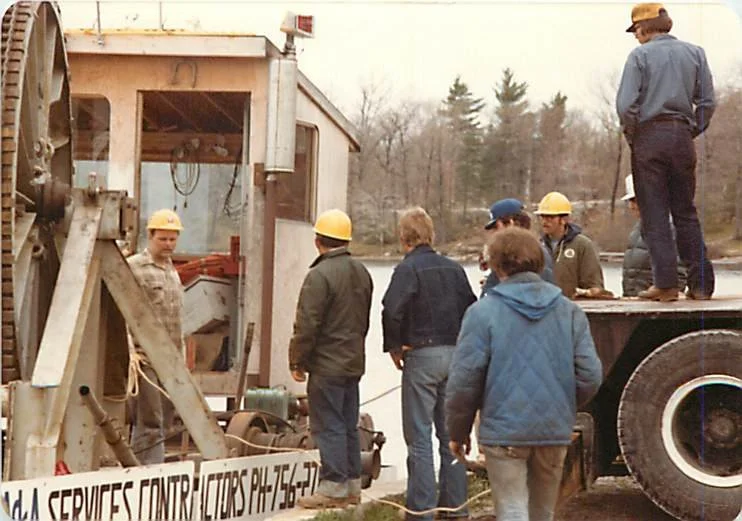
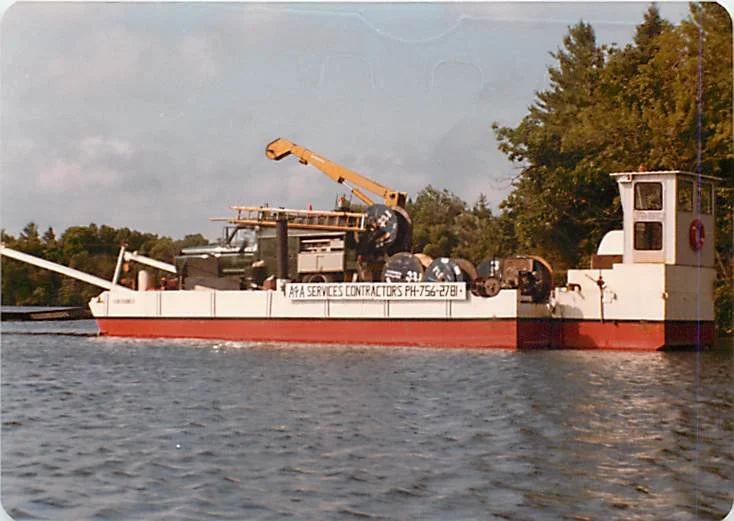
Business continued to grow, with diverse projects, from building septic beds, steel docks, and renovations to laying submarine cables for Bell Canada. I always believed that if we built durable and attractive products, the work would always come by referral.
We worked hard, but to grow our business further, we needed to take on more new cottage construction work. One day, I met a young contractor named Glen Heintzman who was awarded a project to build a premium Normerica Post and Beam cottage for a client near Musquash River. Glen needed help with barging, excavation and septic work, and I knew our company’s crane would help erect the structure. Once the project was completed, Glen and I formed a partnership and created a company known as Pinecone Cottage Depot. We specialized in Post and Beam cottages and other custom buildings. Our partnership worked very well, and both of us contributed our respective expertise to various larger-scale projects. Our relationship continued successfully until about 2015, when we went our separate ways. Glen and his wife Beth are wonderful people, and we will always be grateful for our time together.
Over the next few years, with the help of our wonderful group of employees, the company continued to prosper. Clint Lamoureux, our oldest and longest-term employee, who joined us in 1989, has been a skilled, loyal and invaluable resource as carpentry supervisor. Clint is one of the most resourceful people I know and can transform seemingly impossible construction challenges into beautiful and durable masterpieces. We are ever grateful for his continuous contributions.
I first met Kyle Scobie in 2011 while he was having lunch with his dad, Andy, in Port Severn. I had known Andy for many years, and he asked me to join them to meet his son. During lunch, I learned Kyle was currently working for one of our competitors and was considering his options with another company.
Kyle was a commercial diver (check), a licensed welder (check), he operated heavy equipment (check), he was a marine mechanic like his dad (check), and he knew the waters of Georgian Bay and Gloucester Pool (check… check). To top it all off, he seemed like an awesome guy.
I was desperately looking for someone with Kyle's skill set. Once the smile left my face, I wasted no time offering him a job. By the next day, he accepted.
Over the next few years, Kyle proved himself to be a wonderful and skilled employee with a calm and likeable disposition who earned the respect of his workmates. Time and time again, he continued to exceed my expectations and performed all tasks with care and skill.
The next order of business was to promote Kyle to the position of Operations Manager. He was very good and fair with our staff and especially our clients who trusted and respected him. We have completed countless challenging projects together, and it became obvious that we should form a partnership. In 2022, Kyle and his wife, Jen, became shareholders of A&A Services.
Since the formation of our successful partnership, the company has grown and continues to prosper. We currently have 20 employees, including five invaluable supervisors, and 2024 was a record year with many complex projects completed and an increased bottom line.
Our team truly is the heart of the company.
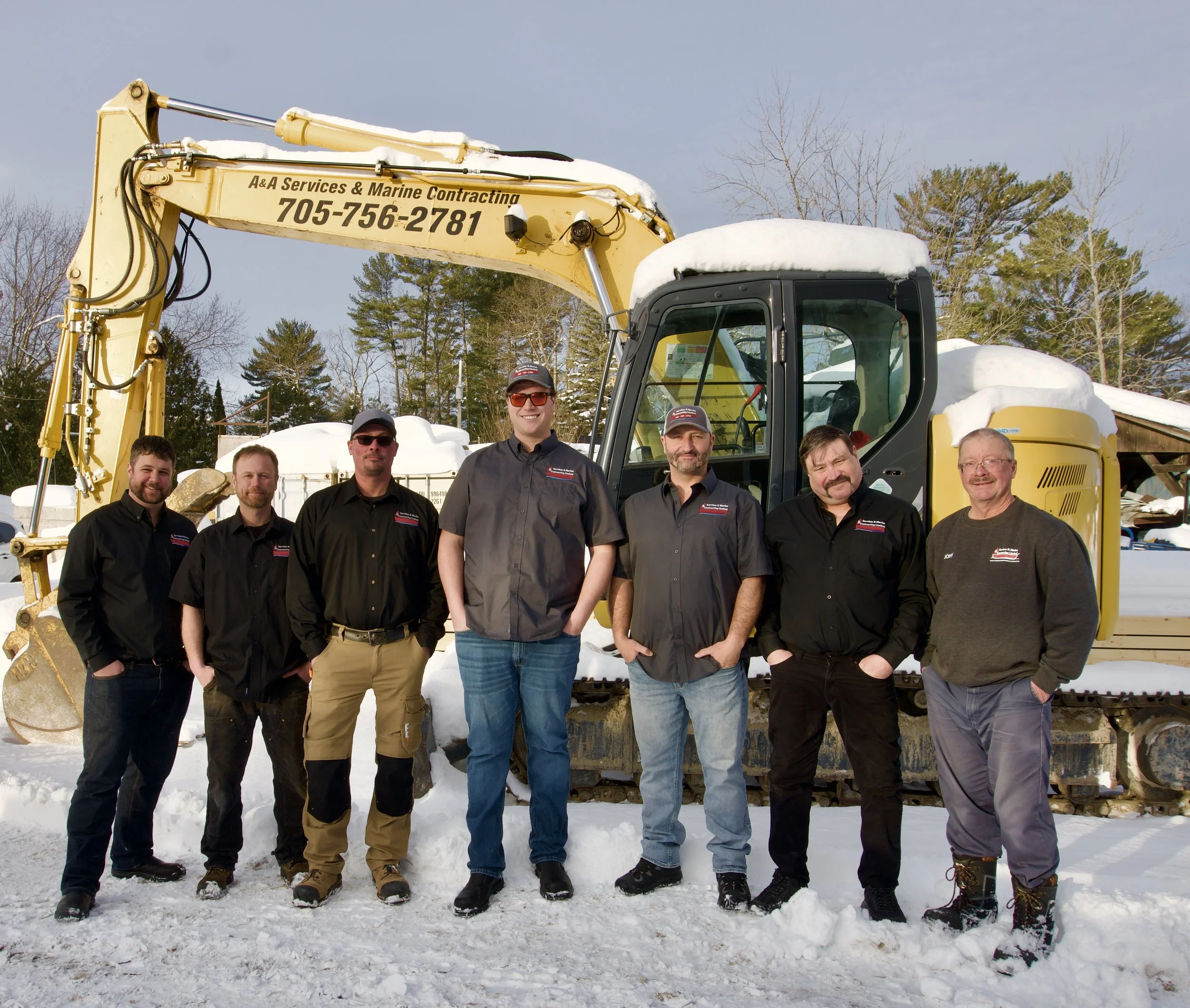
Mary-Anne Bochek is our trusted and extremely capable office manager who is an amazing “den mother” and “herder of the cats.” Clint Lamoureaux is our carpentry supervisor and trusted colleague. Chris Loucks, a true magician with metal, is our welding supervisor. John Dixon is our barge, septic and landscaping supervisor. He has an uncanny ability to work efficiently while producing a fantastic finished product. Jason Levesque has a stellar work ethic. He’s our barge operator and waterfront structure/specialized dock drilling equipment supervisor. He brings a positive, friendly demeanour to work every day. Nick Wagner is the drafting and AutoCAD specialist and project coordinator who does his best to keep our staff and company on track. He produces the best drawings our township planners and building inspectors have seen.
We are so proud of our whole A&A family and grateful to be blessed with many interesting and challenging waterfront projects, especially in a time when many Canadians are facing an uncertain future. We are grateful for all of our wonderful clients who have continued to trust and support us over the last 50 years and continue to refer us to their friends and neighbours.
Last, but certainly not least, I am eternally grateful for my wonderful wife, Annemarie, who has trusted, supported, guided and loved me over the last 42 years and has (almost) always forgiven me for my workaholic nature.
With such an amazing team and 50 years of wind in our sails, we look forward to the future and many new experiences and exciting projects!
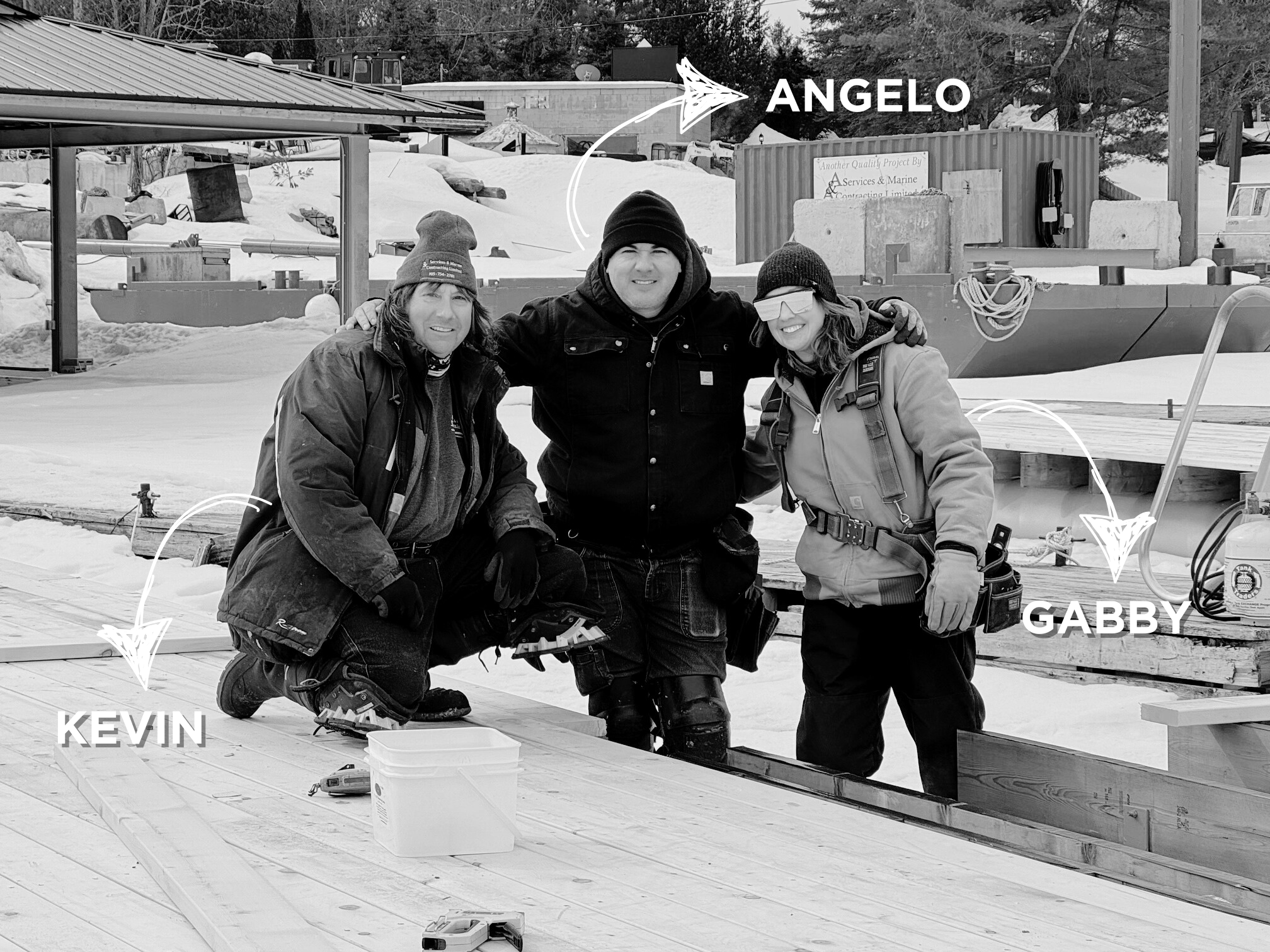
Meet the Team
-
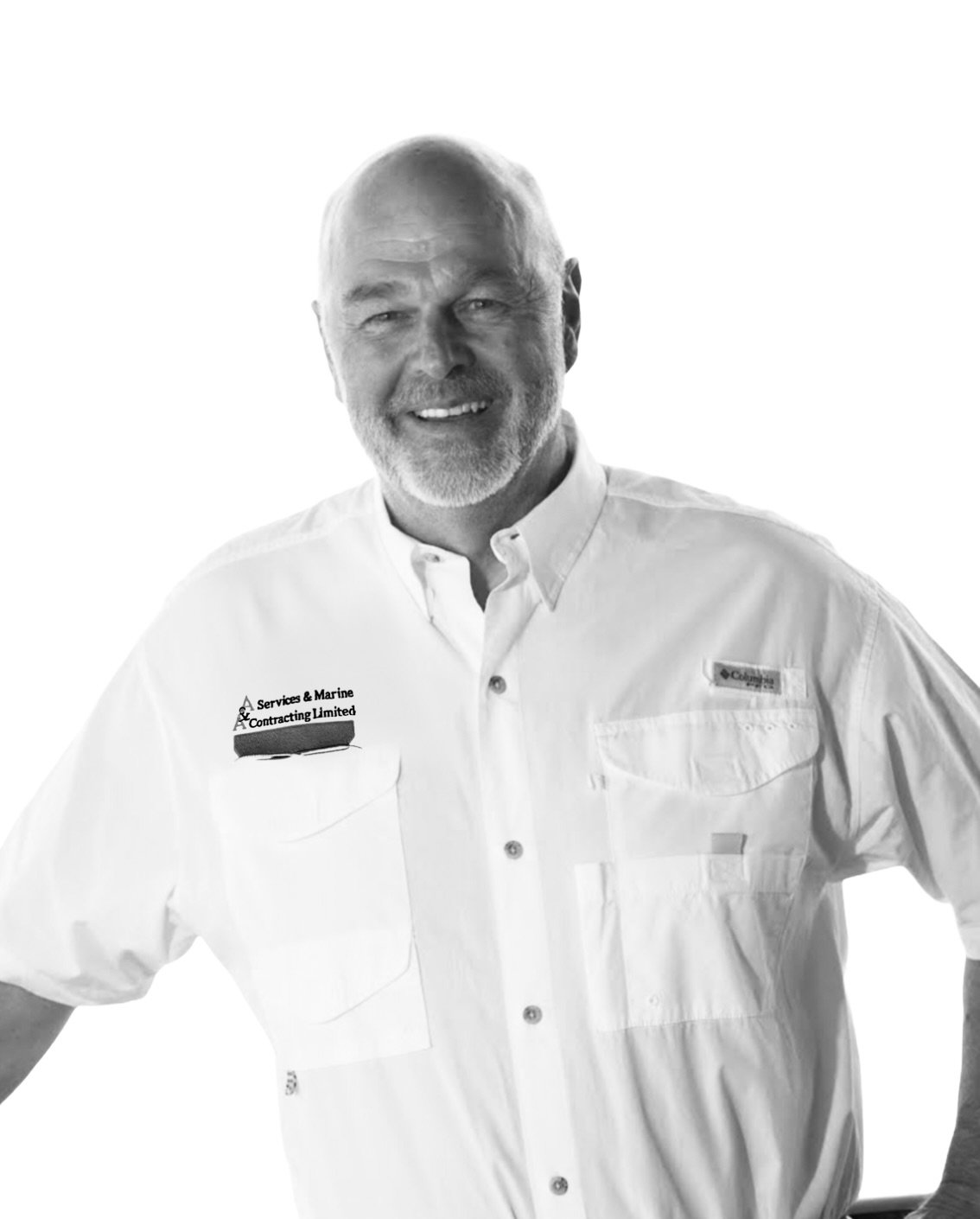
Armin Grigaitis
Owner + Operator
-
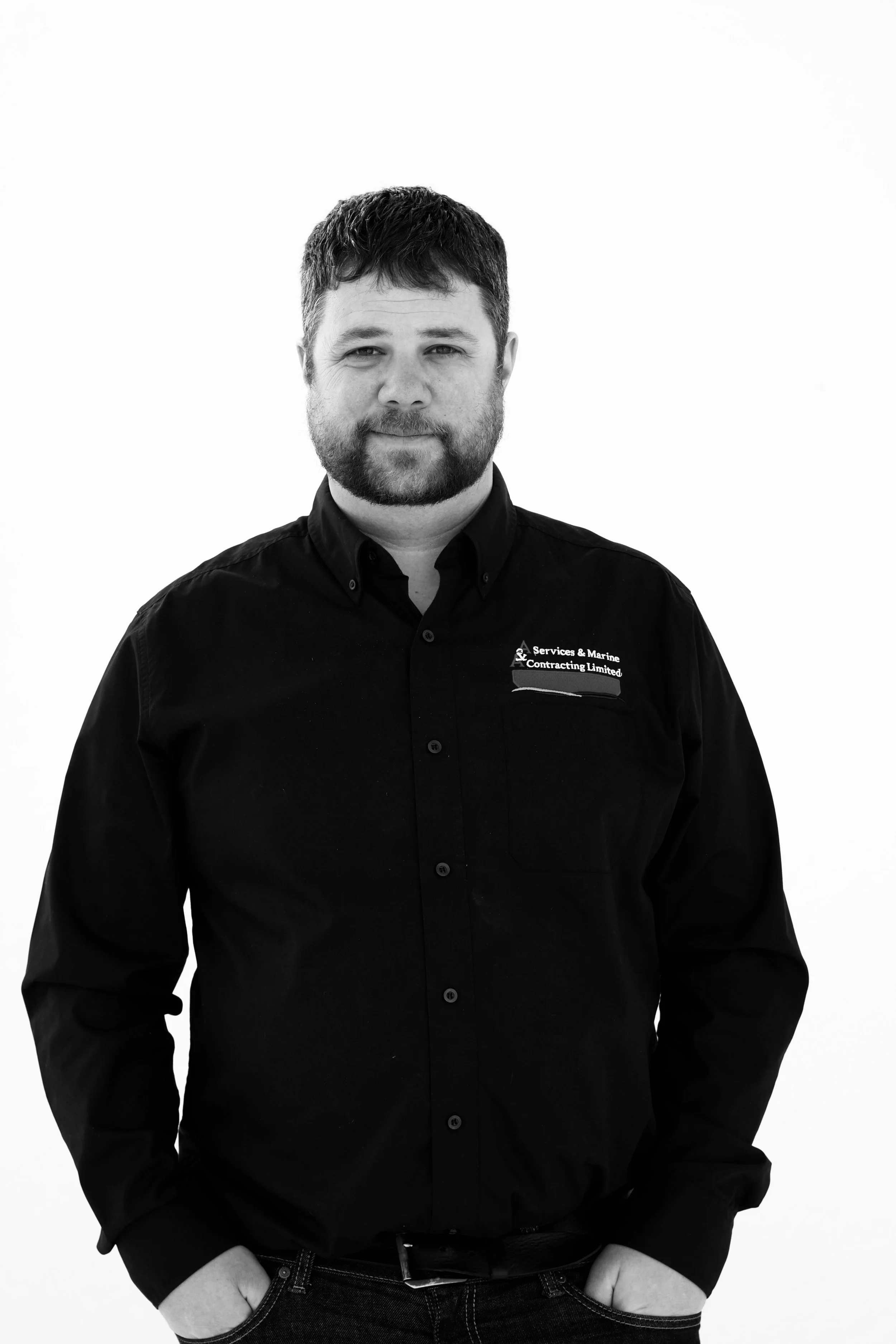
Kyle Scobie
Owner + Operator
-
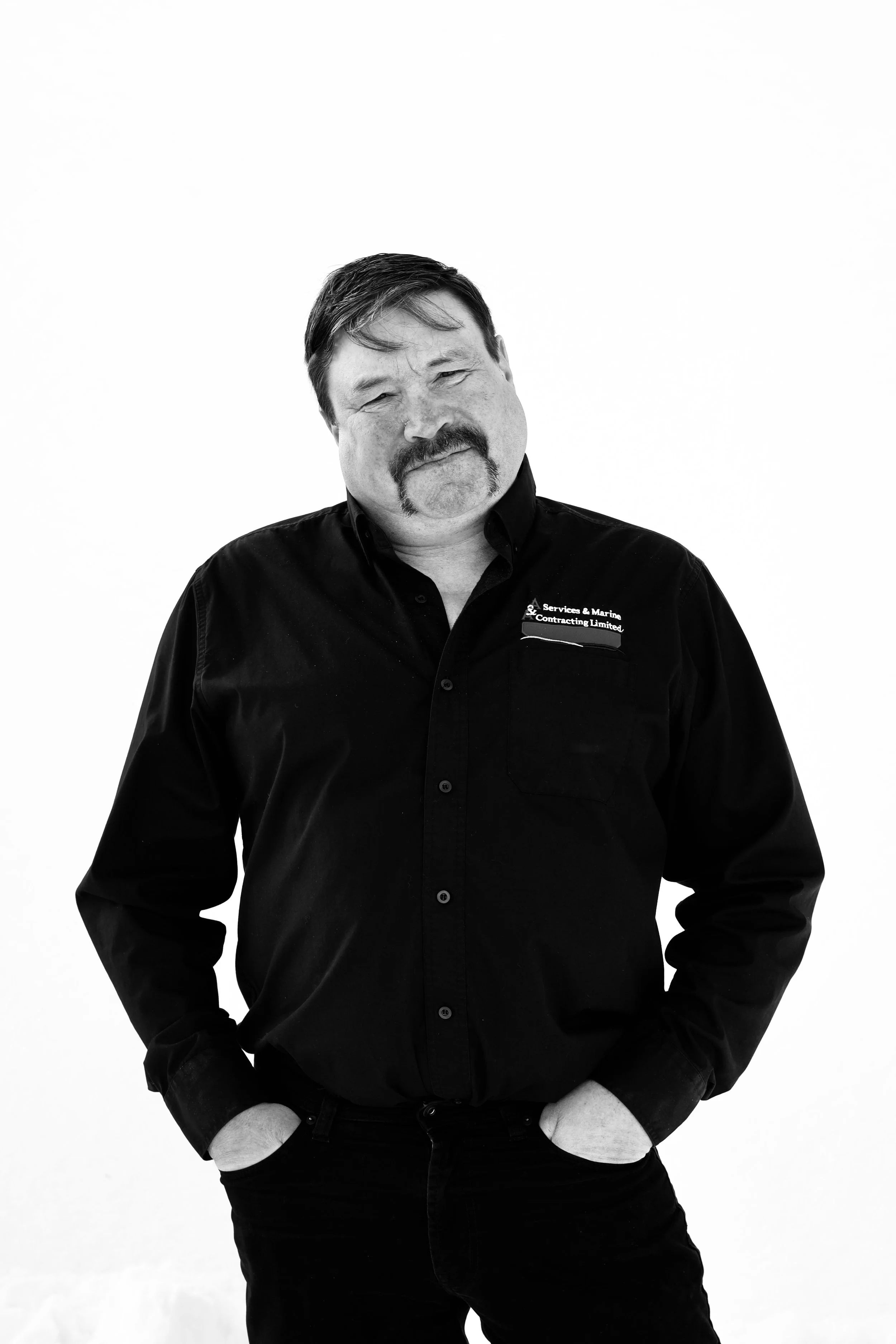
Clint Lamoureux
Head Carpenter
-
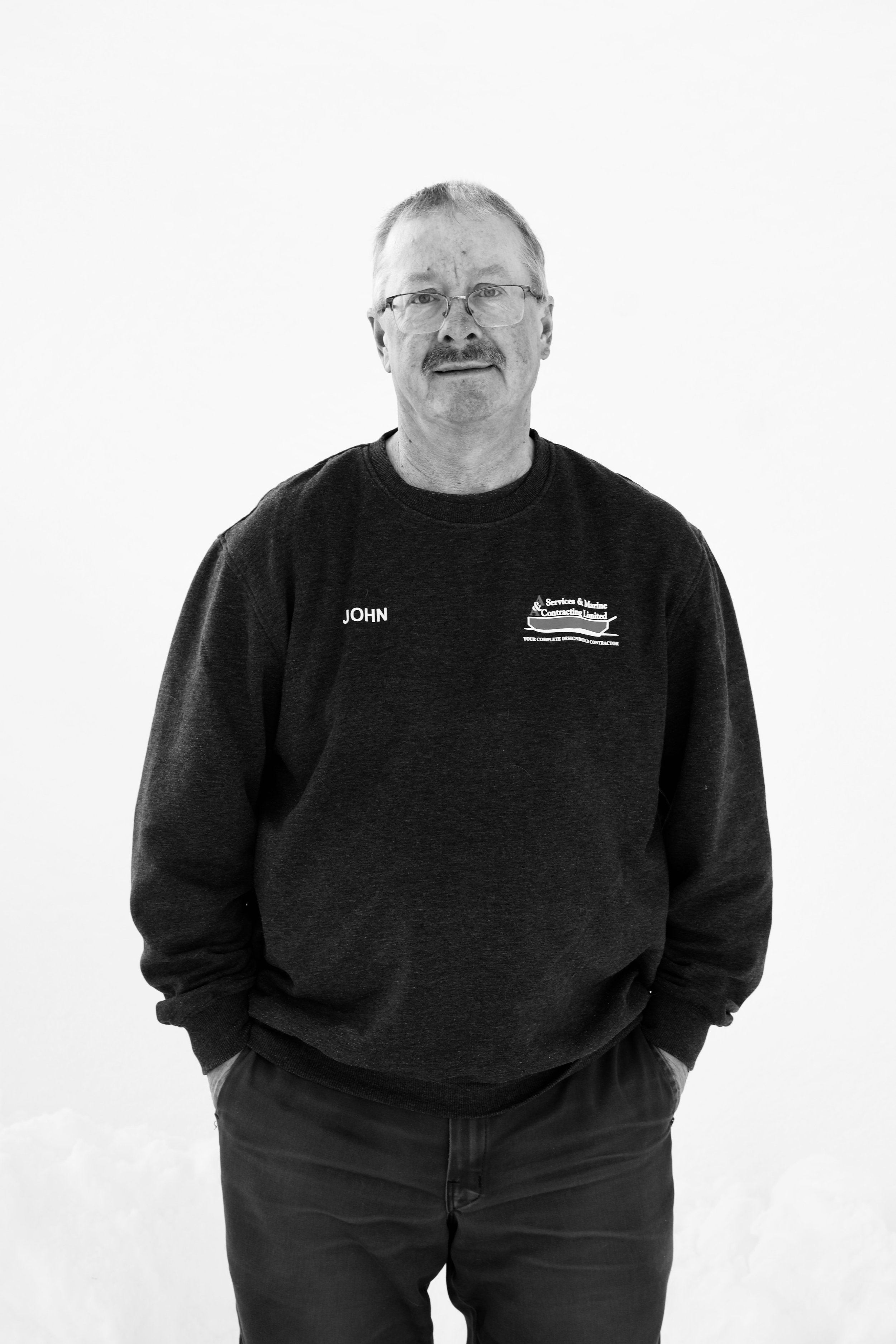
John Dixon
Barge & Excavator Operator
-
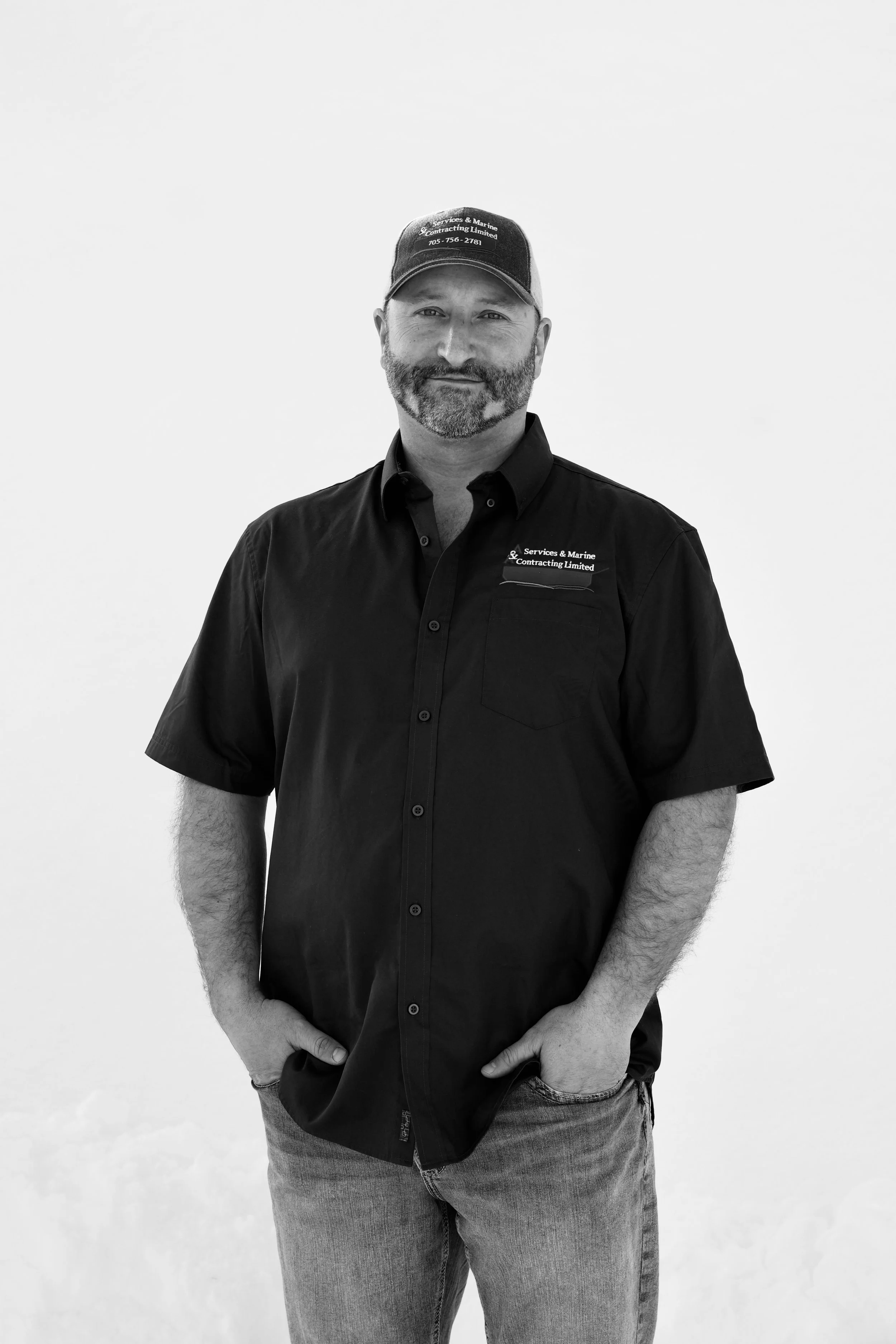
Nick Wagar
Mechanical Engineering Technologist
-
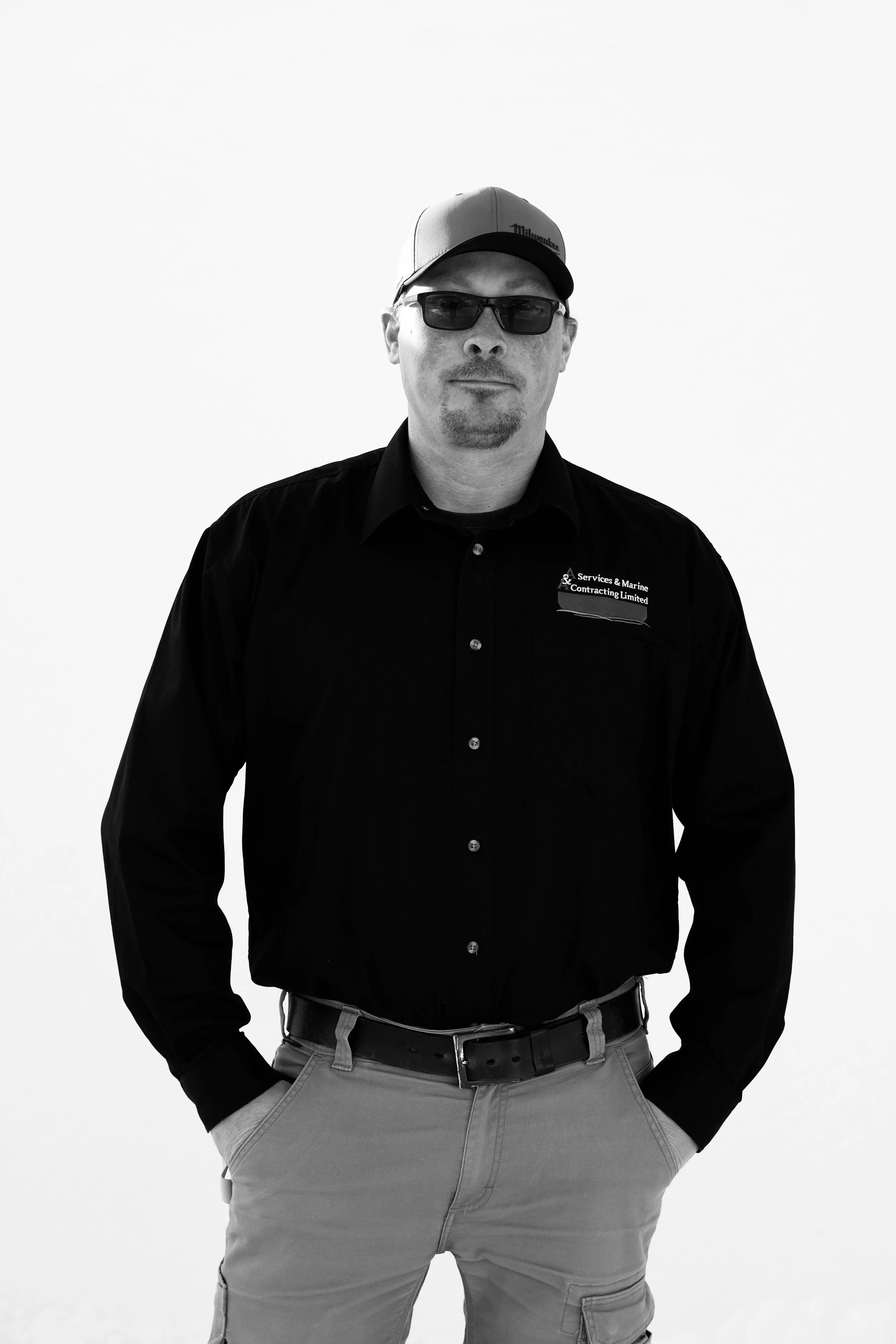
Josh Bolle
Carpentry Supervisor
-
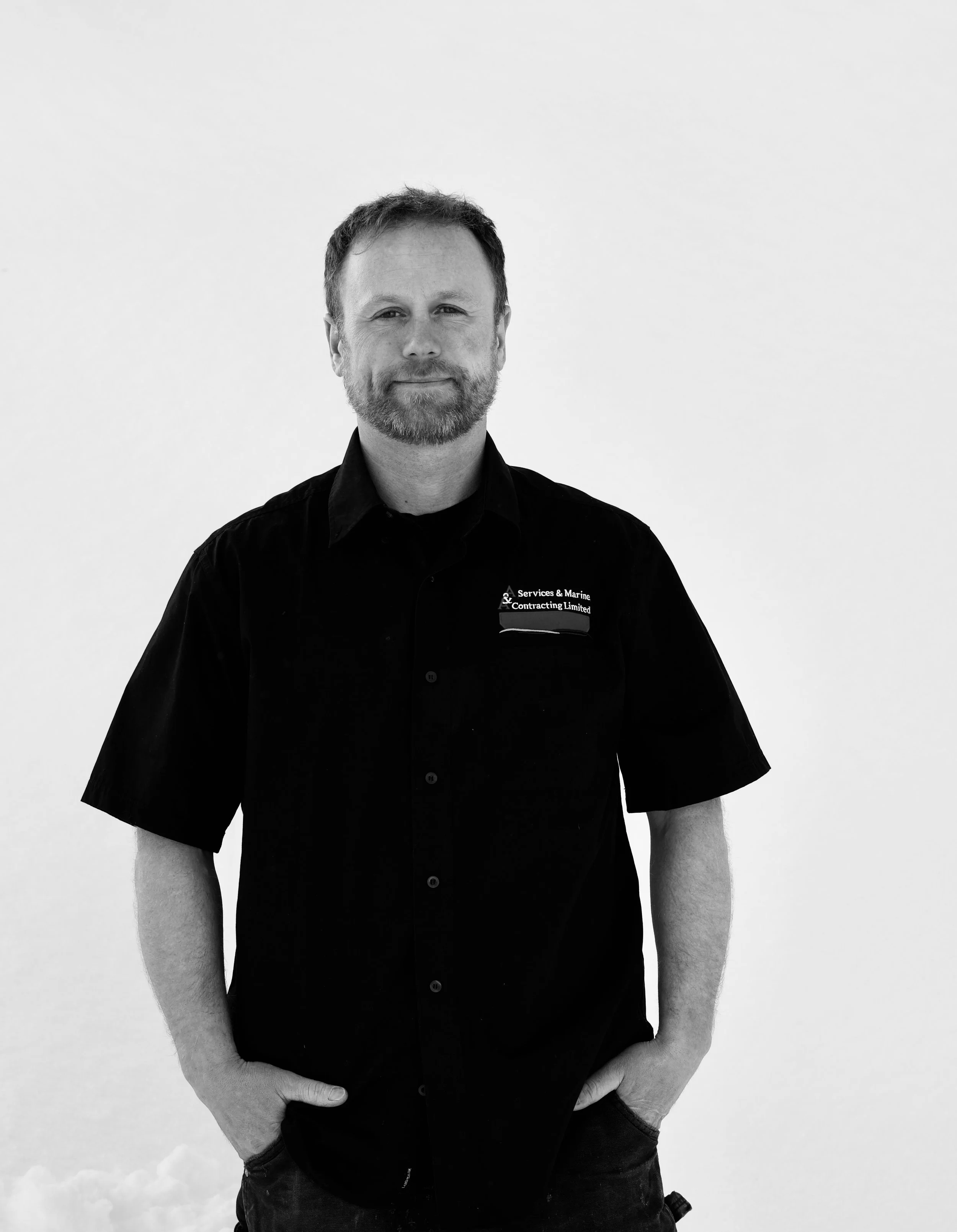
Chris Louces
Welder
-
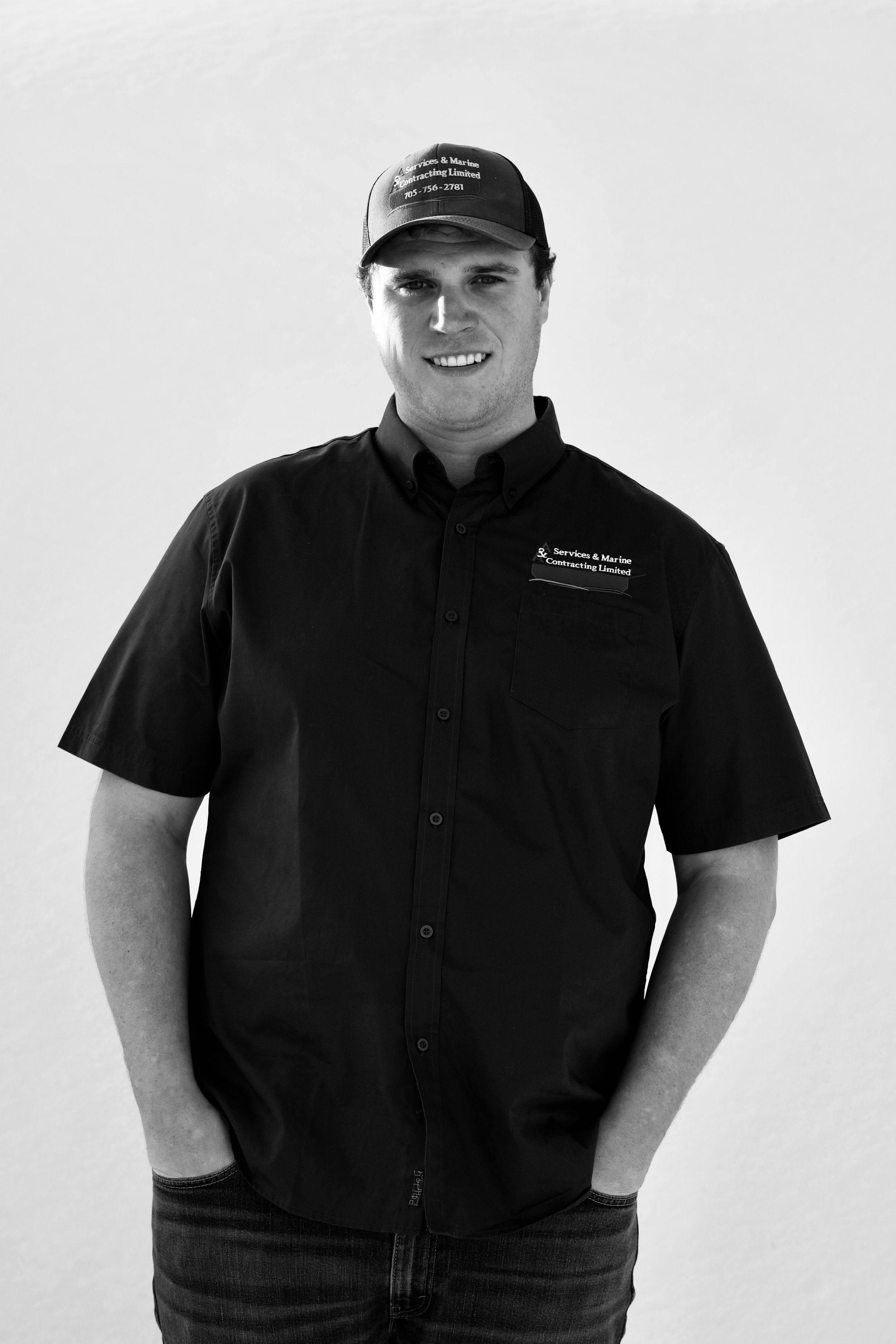
Jason Levesque
Barge & Excavator Operator